Managing Language Barriers in a Multilingual Workforce
Learn practical strategies for managing language barriers in a multilingual workforce to improve safety, boost productivity, and foster team cohesion in industrial environments.
 Jamel Eid Yassin 3 min read
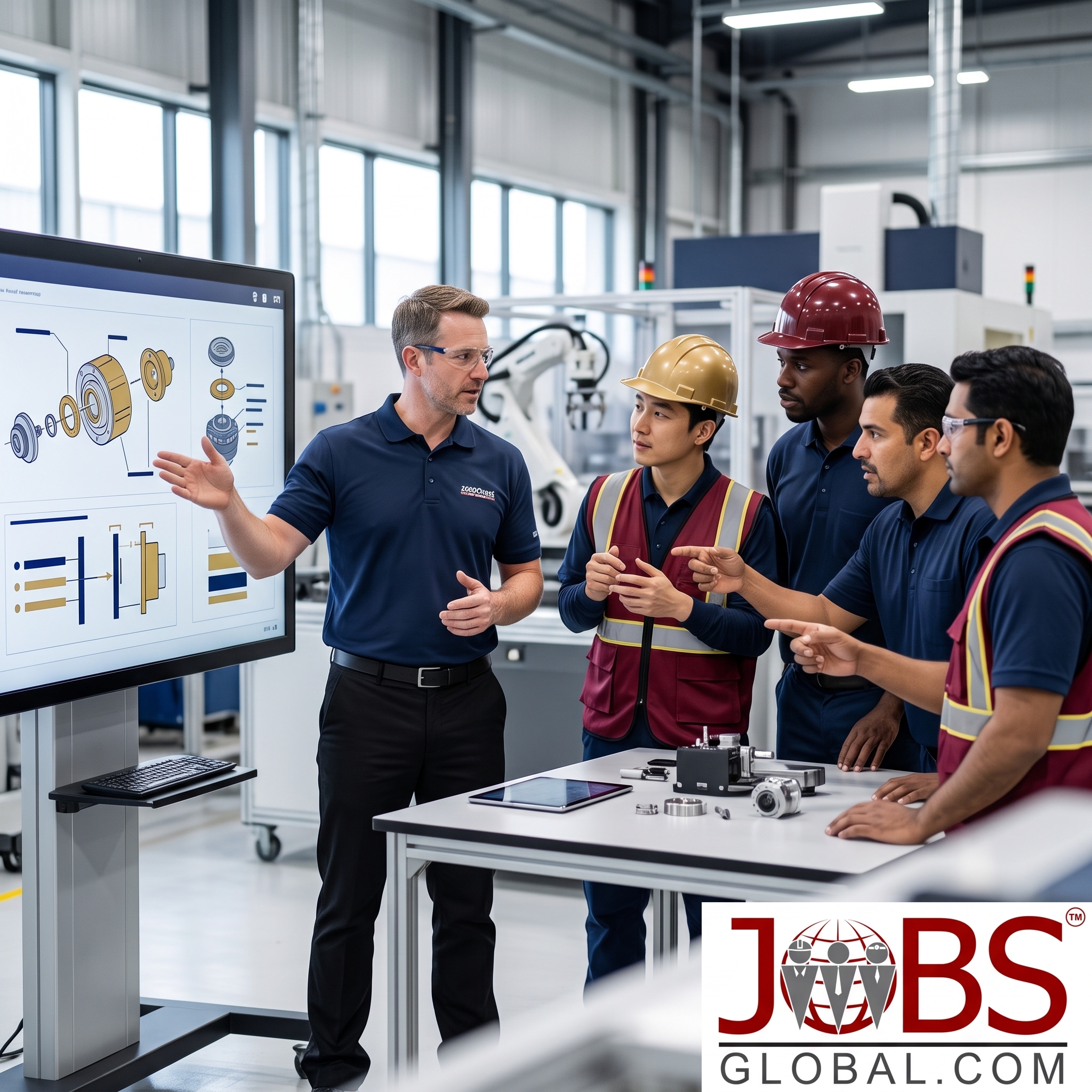
The Safety and Productivity Cost of Communication Gaps
Managing language barriers in a multilingual workforce is a critical priority for modern plant managers and HR teams. When instructions are misunderstood, workplace safety hazards inevitably arise, leading to avoidable accidents. Beyond safety, communication gaps often result in inconsistent operational output, as different shifts interpret procedures in varying ways. Furthermore, language differences can cause isolation, where non-native speaking staff feel disengaged from the team. To solve this, you must treat communication as a core operational process rather than a secondary human resources task.
Visual Standard Operating Procedures and Signage
The most effective way to communicate safety requirements is by reducing reliance on text. Implement visual Standard Operating Procedures (SOPs) that use high-quality photos, diagrams, and color-coded icons to explain tasks. Ensure your facility is equipped with universal safety signage that uses globally recognized symbols instead of language-heavy warnings. By standardizing these visual tools, you ensure that every worker, regardless of their native tongue, understands exactly how to perform a task safely and consistently.
Bilingual Mentors and Tool-Box Talks
Peer-to-peer support is invaluable in a diverse workplace. Identify bilingual staff members who can serve as workplace mentors. These individuals help bridge the gap during shift handovers or urgent troubleshooting. When conducting tool-box talks, allow these mentors to summarize key points in the workers' native languages. This practice ensures that safety briefings are fully understood and provides an opportunity for staff to ask questions in a language where they feel comfortable, preventing the disengagement that often stems from silence.
Leveraging Translation Technology on the Shop Floor
Modern digital tools offer immediate solutions for daily interactions. Equip supervisors with mobile translation applications that allow for quick, verbal communication on the factory floor. While these apps are not perfect for complex technical manuals, they are excellent for daily check-ins and clarifying immediate safety instructions. Use these tools to supplement formal training sessions rather than replace them, and always encourage workers to verify that they have understood the instructions given.
Building an Inclusive Culture that Empowers Every Worker
An inclusive workplace culture requires intentional effort from leadership. Encourage open feedback loops where all team members, regardless of their language background, are invited to report potential safety risks or operational inefficiencies. When you demonstrate that every worker's voice matters, you improve retention and team morale. Providing basic language resources for those willing to learn can also go a long way in showing that the company invests in the long-term success of its international staff.
Frequently asked questions
How can I ensure safety instructions are understood by all workers?
Use visual aids like diagrams, photos, and standard safety symbols that do not require reading text. Supplement these tools with short, face-to-face meetings where bilingual mentors can reinforce the instructions in the native languages of your team.
What is the best way to handle language barriers during emergencies?
Assign specific emergency roles to multilingual staff members who act as translators during evacuations or site incidents. Ensure all emergency evacuation maps are clearly marked with universal icons and that drills are performed regularly to build muscle memory.
How do I prevent non-native speaking staff from feeling isolated?
Promote inclusive social interactions and encourage team-based tasks that require collaboration. By valuing diverse perspectives and ensuring that every worker has a platform to contribute, you foster a sense of belonging that reduces turnover and improves site safety.
Should I provide formal language training to my workforce?
Offering basic site-specific language training can improve operational efficiency and safety compliance. Focus these sessions on essential workplace terminology and safety vocabulary to provide immediate value for both the worker and the organization.